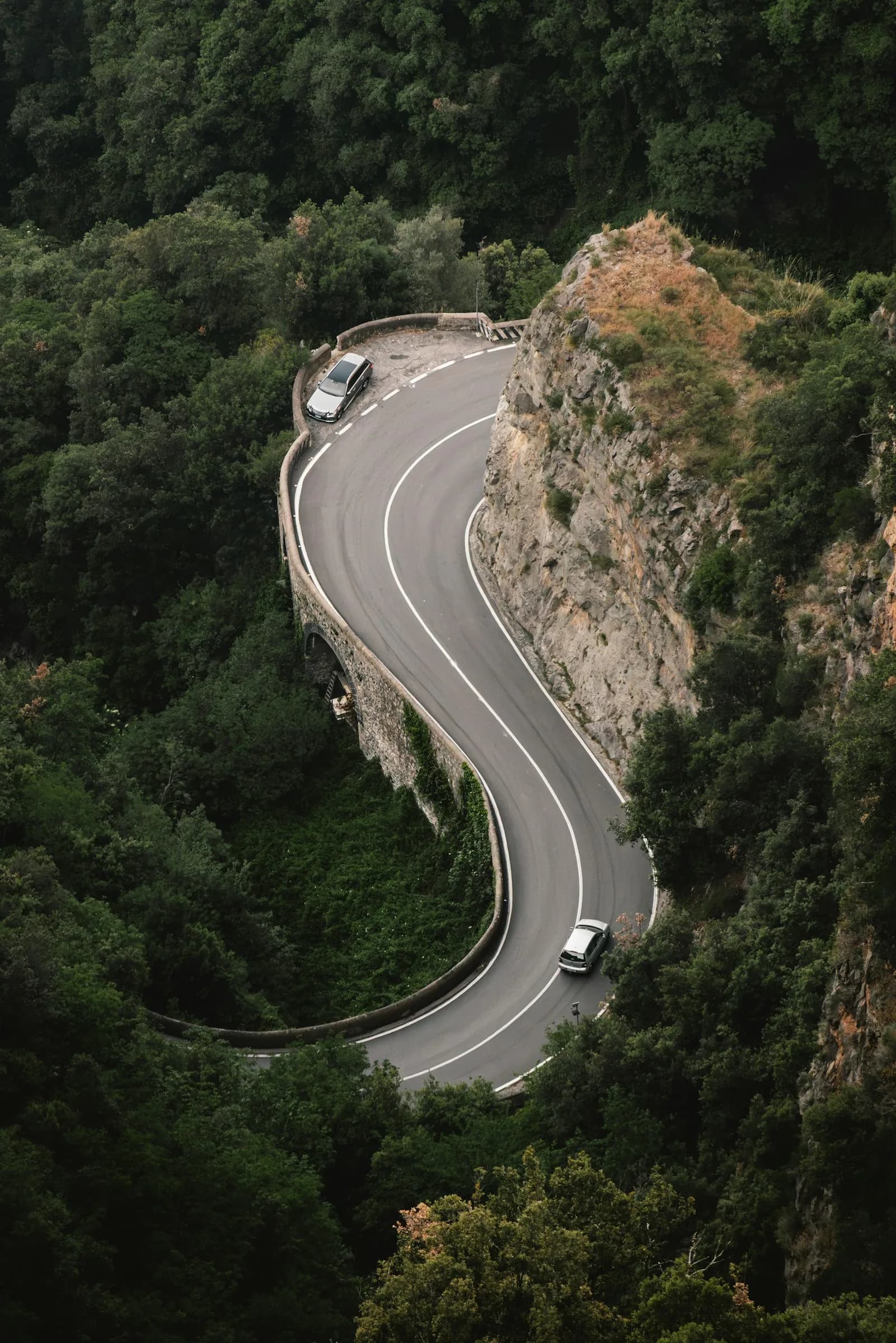
The Amalfi Coast sits in one of the most historically dense corners of the Mediterranean. Within two hours you can reach a buried Roman city, a volcanic island, the city where pizza was born, Greek temples older than the Parthenon, and thermal baths in use since Roman times. Day trips from the coast are not just possible — they are essential if you are staying more than three days. The trick is planning the logistics: ferries, trains, and buses all connect you to these destinations, but schedules vary by season, and getting the timing wrong means wasted hours. This guide covers the six best day trips with exact routes, realistic timing, and honest assessments of whether each is worth your precious vacation day.
Capri
Capri is the jewel of the Bay of Naples — a limestone island of dramatic cliffs, impossibly blue water, designer boutiques, and 2,000 years of celebrity visitors from Emperor Tiberius to Beyonce. A day trip from the Amalfi Coast is straightforward and absolutely worth it.
Getting there: ferries run directly from Positano (30-40 minutes, 20-25 euros) and Amalfi (45-60 minutes, 22-28 euros) from April through October. NLG and Alilauro are the main operators. Departures are typically at 9:00-10:00 with returns at 16:30-17:30. Book the day before in summer — boats fill up.
What to do: take the funicular from Marina Grande up to Capri town (2.20 euros). Walk to the Giardini di Augusto for the view over the Faraglioni sea stacks. The chairlift to Monte Solaro (13 euros return) gives you 360-degree views of the entire Bay of Naples. If time allows, the Blue Grotto (Grotta Azzurra) costs about 18 euros for the boat entrance plus 4 euros for the cave transfer — the blue light inside is extraordinary, but the queue can be long.
Lunch: avoid the tourist traps around the Piazzetta. Walk 10 minutes to Da Tonino or Lo Sfizio for honest Caprese food at non-astronomical prices. A plate of ravioli capresi (filled with local cheese) is the dish to try.
Timing: leave on the first ferry, return on the last. A full day is needed — half-day trips feel rushed and you will spend most of the time on boats. Expect to spend 80-120 euros per person all-in (ferry, funicular, lunch, one attraction).
Worth the day: Capri is beautiful, and unlike anything else in the region. The ferry ride is part of the trip. Just go early, avoid August if possible, and skip the Piazzetta coffee (8 euros for an espresso).
The tip
Pro move: book a private boat tour that combines the Amalfi Coast + Capri in one day. You see the coast from the water AND visit Capri. More expensive (150-200 euros per person) but covers two experiences in one.
Pompeii & Mount Vesuvius
Pompeii is one of the most extraordinary archaeological sites on Earth — an entire Roman city frozen in time by the eruption of Vesuvius in 79 AD. Combined with a hike up the volcano itself, this makes for a powerful day trip that balances history and nature.
Getting there: the easiest route from the Amalfi Coast is via Salerno. Take the SITA bus or ferry to Salerno (35-60 minutes depending on your starting town), then the Circumvesuviana or Trenitalia regional train to Pompei Scavi station (30 minutes, about 3 euros). Total journey: 1.5-2 hours each way. Alternatively, many private transfer companies offer guided Pompeii day trips from the coast (100-150 euros per person including guide).
Pompeii itself: entrance is 18 euros (free first Sunday of each month). Allow 3-4 hours minimum. The site is vast — you cannot see everything in a day. Focus on the Forum, the Garden of the Fugitives (plaster casts of victims), the Villa dei Misteri (frescoes), and the amphitheater. A guide (about 50 euros for a 2-hour tour for a small group) transforms the experience from interesting ruins into vivid storytelling. Wear comfortable shoes — the original Roman roads are uneven cobblestones.
Mount Vesuvius: if you want to combine Pompeii and Vesuvius, take the Busvia del Vesuvio shuttle bus from the Pompeii entrance area (return ticket about 10 euros). The bus drops you at 1,000 meters; from there it is a 30-minute walk to the crater rim at 1,281 meters. Crater entrance is 10 euros. From the top you see Naples, Capri, Ischia and the whole bay. Total time for Vesuvius: about 2.5 hours including transit.
Timing: start early. Leave the coast by 8:00 if you want to see both Pompeii and Vesuvius. Do Vesuvius first (cooler in the morning), then Pompeii in the afternoon. Or dedicate the full day to Pompeii alone for a deeper experience.
Worth the day: it is a UNESCO World Heritage Site. Even people with no interest in ancient history find Pompeii moving. Combined with the volcano, it makes the fullest day trip from the Amalfi Coast.
The tip
Buy Pompeii tickets online in advance at ticketone.it to skip the entrance queue, which can be 30-60 minutes in summer.
Naples
Naples is chaotic, beautiful, infuriating, and extraordinary — and it is the birthplace of pizza. If you love food, history, and raw urban energy, Naples deserves a full day from the coast.
Getting there: ferry from Amalfi or Positano to Salerno (35-70 minutes), then Trenitalia regional train to Napoli Centrale (35 minutes, about 5 euros). Or high-speed Italo/Frecciarossa from Salerno to Naples (25 minutes, 10-20 euros). Total: about 2 hours each way. You can also take the SITA bus to Salerno and train from there.
What to do: start with pizza. Not just any pizza — this is where pizza was invented. L’Antica Pizzeria Da Michele (the one from Eat Pray Love) serves only margherita and marinara, and the queue starts before they open. Sorbillo on Via dei Tribunali is just as well known. A pizza costs 4-7 euros.
After pizza: walk through Spaccanapoli, the arrow-straight street that splits the old center in two. The energy is overwhelming — motorbikes, hanging laundry, shrines, street vendors, and 3,000 years of layered history. The Naples Archaeological Museum (MANN) houses most of the treasures from Pompeii and Herculaneum — if you are visiting Pompeii on another day, this museum provides the context. Entry is 18 euros.
The underground: Napoli Sotterranea offers guided tours through the Greek and Roman tunnels below the city (10 euros, 90 minutes). Fascinating for older kids and adults.
Safety: Naples has a reputation, and it is not entirely undeserved. Keep valuables in front pockets or a crossbody bag. Avoid displaying expensive cameras or phones carelessly. The historic center and major tourist areas are safe during the day, but stay aware. Do not leave bags unattended or use rental scooters in the old center.
If you like cities, yes. Naples is the opposite of the coast: rough where the coast is polished, loud where the coast is quiet. The food alone justifies the trip. But if you only have 5 days on the coast and prefer beaches and nature, you might prioritize Capri or Pompeii instead.
The tip
Take the high-speed train from Salerno to Naples (25 minutes) rather than the regional train (35 minutes). The price difference is only 5-10 euros and the experience is incomparably better.
Sorrento & the Sorrentine Peninsula
Sorrento is the gateway to the Amalfi Coast from the north, and while it is technically on the Bay of Naples side, it deserves a day trip for its distinct character: lemon groves, limoncello production, artisan woodwork (intarsia), and a clifftop old town with views over the bay toward Vesuvius.
Getting there: ferry from Positano (25 minutes, 15-18 euros) or Amalfi (50 minutes, 18-22 euros) during the April-October season. Or SITA bus from Amalfi via the SS163 coastal road (about 90 minutes, 2.90 euros). The bus is scenic but winding — sit on the right for sea views, and take motion sickness tablets if sensitive.
What to do: explore the old town centered around Piazza Tasso. The intarsia (wood inlay) workshops are genuinely fascinating — Gargiulo is the oldest, dating to 1876. Visit a lemon grove: several along Via del Capo offer free tours with limoncello tastings. The Marina Grande below the cliff is a small fishing harbor with good restaurants.
Food: Sorrento is known for gnocchi alla sorrentina (potato gnocchi with tomato sauce and melted mozzarella, baked in a clay pot). Try it at any trattoria in the old center. The ice cream at Davide il Gelataio is outstanding.
The Sorrentine Peninsula beyond Sorrento offers some excellent hidden experiences: the bay of Nerano (famous for its zucchini pasta at Lo Scoglio), the village of Massa Lubrense for views and olive oil, and the trail to Punta Campanella for snorkeling in a marine reserve facing Capri.
As a half-day trip from Positano (25 minutes by ferry), yes. It is a change of pace: a working town with shops, a train station and a real center. As a full-day trip from Maiori or Amalfi, it depends on your interests. If you love food and craft traditions, yes. If you prefer natural beauty, spend the day hiking or on a boat instead.
Ischia
Ischia is Capri’s bigger, less famous sister island — volcanic, green, and home to some of the best thermal baths in Europe. If you want a day of relaxation rather than sightseeing, this is the day trip for you.
Getting there: ferry from Salerno to Ischia (about 80 minutes, 20-30 euros) operated by Alilauro or Alicost, with seasonal service from April to October. From the Amalfi Coast, you first need to reach Salerno by ferry or bus (35-60 minutes), making the total journey about 2.5 hours each way. This is a longer day trip, so start early.
What to do: the Giardini Poseidon Terme is the most famous thermal park — 20 pools of varying temperatures from warm to very hot, set in gardens overlooking the sea. Full-day entrance is about 36 euros. Negombo is a more stylish alternative on Lacco Ameno beach (35 euros). Both include beach access.
Beyond the baths: the Castello Aragonese (12 euros) is a fortress on a rocky islet connected by a bridge. The views are extraordinary. Mount Epomeo (789m) can be hiked from Fontana village in about 90 minutes — the summit view spans the entire bay. Sant’Angelo is a car-free fishing village with a small harbor, and nearby is Sorgeto, a thermal beach where hot springs run into the sea, free at any hour.
Food: rabbit (coniglio all’ischitana) is the island’s signature dish — raised in pits and braised with tomato, garlic, and local herbs. Try it at any trattoria in the hills. The wines from Monte Epomeo vineyards (particularly Biancolella white) are excellent.
If you have a week on the coast and want variety, yes: Ischia is different from the Amalfi Coast, with volcanic landscapes, thermal baths and a slower pace. For a short 3-day trip, prioritize Capri or Pompeii instead. The longer travel time makes Ischia a commitment.
The tip
The free thermal beach at Sorgeto (Sant’Angelo) is worth a visit at night, when the hot springs meet the cool sea under the stars. Bring a flashlight for the 200 steps down.
Paestum & Buffalo Mozzarella Country
Paestum is less visited than it deserves: three Greek temples from the 6th and 5th centuries BC in a field south of Salerno, older than the Parthenon and better preserved. Combine them with a visit to a buffalo mozzarella farm, and you have a perfect day of ancient history and extraordinary food.
Getting there: from the Amalfi Coast, take the ferry or bus to Salerno (35-60 minutes), then Trenitalia regional train from Salerno to Paestum station (30 minutes, about 3 euros). The station is a 10-minute walk from the temples. Total journey: about 1.5-2 hours. Alternatively, rent a car for the day — the drive from Salerno to Paestum is easy and flat, about 40 minutes on the SS18.
The temples: entrance to the archaeological park and museum is 15 euros. The Temple of Hera (550 BC), Temple of Neptune (450 BC), and Temple of Athena (500 BC) are among the best-preserved Greek temples anywhere in the world — better than most in Greece itself. The on-site museum houses the extraordinary Tomb of the Diver (Tuffatore), a unique Greek painted tomb from 480 BC showing a young man diving into the sea — the only known Greek painting of this period depicting a real human scene rather than mythology.
Allow 2-3 hours for the temples and museum. The site is flat and easy to walk, making it accessible for all ages and physical conditions.
Buffalo mozzarella: the plains around Paestum are the heartland of mozzarella di bufala DOP production. Several farms offer tastings and tours: Tenuta Vannulo is the most famous (organic, with a gelato made from buffalo milk that is transcendent), but Barlotti and Rivabianca are excellent alternatives with fewer crowds. A tasting with fresh mozzarella pulled minutes before you eat it costs about 10-15 euros. This is not the mozzarella you know — it is warm, milky, and a revelation.
Yes, especially for anyone who loves history or food. The temples are the reason to go, and the buffalo mozzarella is the reason to stay for lunch. It is the least crowded of all the day trips from the coast, making it a perfect contrast to the busy coastal towns. Best combined: temples in the morning, mozzarella farm for lunch, back to the coast by afternoon.
The tip
Visit Vannulo’s buffalo farm early: the buffalo milk gelato runs out, usually by early afternoon.
Questions
Can I do Capri in half a day?
Technically yes, but it is not recommended. The ferry takes 30-60 minutes each way, and with only 2-3 hours on the island you will feel rushed. A full day lets you explore properly, swim, and have a relaxed lunch. Half-day works only from Positano (shortest ferry crossing).
What is the best day trip from Maiori?
Pompeii and Paestum are both easily accessible via Salerno (25 minutes by car, 40 by bus). Capri requires a ferry to Amalfi first then connection to Capri. For a quick trip, Ravello is only 15 minutes by car and feels like a different world.
Is Pompeii suitable for children?
Yes, for children aged 6 and above. The plaster casts at the Garden of the Fugitives are moving but may be upsetting for very young children. A guided tour makes the ruins come alive for kids. The site is flat but the cobblestones are uneven — strollers struggle. Bring water and snacks as there are limited food options inside.
Is it worth visiting Naples from the Amalfi Coast?
If you love food and urban culture, absolutely — Naples has the best pizza on Earth, an extraordinary archaeological museum, and raw energy unlike anything on the coast. If you prefer quiet beaches and nature, skip it. The journey takes about 2 hours each way via Salerno.
Can I visit Pompeii and Vesuvius in one day from the coast?
Yes, but it is a long day. Leave the coast by 8:00, do Vesuvius first (cooler in the morning, about 2.5 hours including transit), then Pompeii in the afternoon (3-4 hours). You will return to the coast by 18:00-19:00. It is doable but tiring — consider splitting them over two days if you have the time.
Which day trip is best for food lovers?
Paestum for buffalo mozzarella (warm, fresh, pulled minutes before eating) combined with the Greek temples. Naples for pizza at Da Michele or Sorbillo. Sorrento for limoncello tastings and gnocchi alla sorrentina. All three are outstanding food destinations.