The Amalfi Coast has a personality for every season. Summer brings the crowds and the heat, but also the longest days and warmest seas. Spring and early autumn are the sweet spots that experienced travelers guard jealously. Winter strips the coast down to its bones — hauntingly beautiful, nearly empty, and genuinely affordable. There is no bad time to visit, but there is a best time for what you want to do. This guide breaks down every month with real temperature data, honest crowd assessments, and the events that can make or break your trip. The short answer: late May to mid-June, or September. The long answer is more interesting.
Month-by-Month Breakdown
January and February are the quietest months. Temperatures hover around 10-12 degrees Celsius during the day, dropping to 5-6 at night. Many hotels and restaurants close, ferry services are suspended, and some towns feel almost abandoned. But the coast is dramatically beautiful in winter light, accommodation prices drop to their lowest (often 50-60% below peak), and the locals reclaim their villages. If you are a hiker, winter is excellent — cool temperatures, empty trails, and occasional clear days with extraordinary visibility.
March brings the first hints of spring. Temperatures climb to 13-15 degrees, and the coast begins to wake up. Some restaurants and hotels reopen around Easter (which often falls in March or April). The lemon groves start their bloom cycle. Rain is still fairly common — expect about 25% of days to see some precipitation. It is too cold for swimming, but perfect for hiking the Path of the Gods or exploring Ravello’s gardens.
April is transition month. Temperatures reach 16-18 degrees, crowds are still low, and ferry services resume around Easter. The famous Easter processions in Amalfi, Atrani, and Minori are powerful cultural experiences — hooded figures, torches, centuries-old traditions winding through medieval streets. Accommodation is reasonably priced, and restaurants that closed for winter are now fully open. The sea is still cool at around 16 degrees — wet suits are needed for swimming.
May is when the coast hits its stride. Temperatures of 20-22 degrees, sea temperature rising to 18-19 degrees (swimmable for most people), everything is open, and crowds are manageable. The lemon groves are in full fragrant bloom between Maiori and Minori. Lemon festivals begin. Hotel prices climb but are still 30-40% below August peaks. This is many locals' favorite month.
June is excellent. Temperatures of 24-26 degrees, sea at 21-22 degrees, long days, and the Ravello Festival begins, with concerts in Villa Rufolo’s gardens over the sea. Crowds increase but have not yet reached the overwhelming levels of high summer. Early June in particular offers a near-perfect balance of weather, accessibility, and value.
July marks the start of true high season. Temperatures hit 28-30 degrees, the sea is 24-25 degrees and perfect for swimming. But the crowds arrive in force. The SS163 chokes with traffic. Beach spots are claimed by 9:00. Restaurant reservations become essential. The Sagra del Tonno tuna festival in Cetara is a highlight. The MarMeeting cliff diving championship at the Furore Fjord draws international spectators. The Luminarie di San Domenico light installations begin in Praiano. Prices peak.
August is the most extreme month. Italian Ferragosto holiday (August 15) pushes everything to its maximum — crowds, prices, temperatures (30-35 degrees), and traffic. The first two weeks of August are the busiest period on the coast. If you can, avoid them entirely. The third and fourth weeks are slightly calmer. The upside: the sea is at its warmest (25-26 degrees), the days are long, and the nightlife peaks. The Luminarie continue in Praiano.
September is the locals' favorite month and arguably the best time to visit. Temperatures ease to 25-27 degrees, the sea remains at its warmest (25-26 degrees), and crowds thin out significantly after the first week. Gusta Minori — the coast’s premier food festival — transforms the town of Minori into an open-air restaurant serving traditional recipes in the streets. The Byzantine Regatta in Amalfi is a historical boat race. Accommodation drops 20-30% from August peaks. The light is softer and the evenings are warm.
October offers warm days (20-22 degrees) and a sea still comfortable for swimming until mid-month (22-23 degrees). Crowds are low, prices drop further, and the coast takes on autumn tones. Chestnut festivals pop up in the hillside towns above the coast. Some ferry services begin to reduce frequency toward month’s end. By late October, a few hotels and restaurants start their winter closures.
November brings shorter days, cooler temperatures (14-16 degrees), and the new olive oil season. Frantoi (olive presses) open across the hills for tastings — the smell of fresh-pressed oil fills the villages. Rain increases to about 35% of days. Most ferry services cease for the winter. The coast is quiet and atmospheric, perfect for the traveler who wants authenticity over convenience.
December is Christmas on the coast. Temperatures around 11-13 degrees during the day. Nativity scenes (presepi) appear in every town — Minori hosts life-size installations in its streets. Christmas markets are small but genuine. Many tourists skip the coast entirely in December, which means real prices and real local life. The Amalfi Cathedral is particularly atmospheric during Advent.
See detailed town-by-town weather dataPlan your budget by season
The Sweet Spots: May-June and September
If you have flexibility in when you travel, aim for late May to mid-June, or the second half of September. These windows offer the best balance of weather, crowds, prices, and overall experience.
Late May through mid-June is the coast at its most alive without being overrun. The lemon groves between Maiori and Minori are in full bloom, filling the air with an intensity of fragrance that is hard to describe. Sea temperatures reach 19-22 degrees — warm enough for comfortable swimming without a wetsuit. Air temperatures sit at 22-26 degrees, warm enough for the beach but cool enough for hiking. The Ravello Festival begins in late June. Accommodation runs 30-40% cheaper than August, and restaurants are fully open without the need for advance reservations.
The practical advantages compound. Ferries run their full schedules. SITA buses are not yet standing-room-only. The Path of the Gods trail is busy but not a conga line. You can walk into most restaurants for dinner. Beach chairs are available past 9:00. The light is clear and warm — photographers know this as the shoulder season sweet spot, when the air has not yet taken on the hazy quality of midsummer.
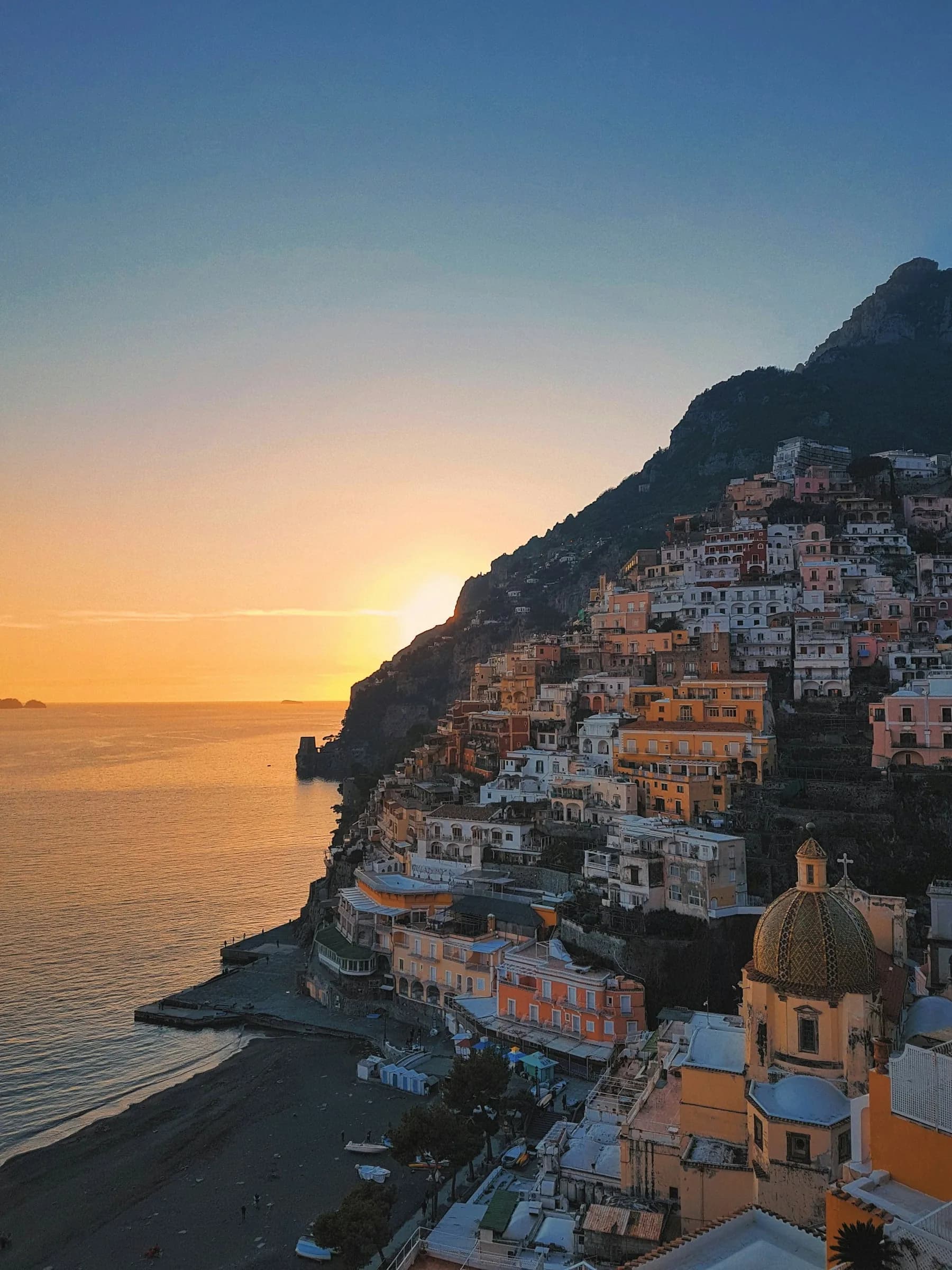
September, especially the second half, is equally exceptional. The sea is at its warmest — 25-26 degrees after absorbing heat all summer. The air cools to 24-27 degrees. The crowds drop sharply after the first week as European school holidays end. Prices fall 20-30% from August peaks. The light turns golden, creating the most photogenic conditions of the year. Gusta Minori food festival and the Byzantine Regatta in Amalfi give you cultural events without the July-August crowds.
One important note: both periods carry a slightly higher rain risk than midsummer. May sees rain on about 15% of days, September on about 15% as well. But Mediterranean rain typically arrives as a short, intense burst that clears within an hour or two — not the all-day drizzle of northern Europe. Do not cancel plans because of a forecast. Wait it out with an espresso and the sun will return.
The tip
The last week of May and first week of June are the single best window for a first-time visit. Everything is open, nothing is overcrowded, and prices have not yet climbed to summer levels.
Summer Reality: July and August
July and August are when most people visit the Amalfi Coast, and it is important to know exactly what you are getting into. These are not bad months — the sea is at its best, the days are longest, and the energy is electric. But the coast’s infrastructure was built for a population of a few thousand, and in peak summer it absorbs millions.
The heat is real. Temperatures regularly hit 30-35 degrees Celsius, with humidity making it feel even warmer. The SS163 coast road absorbs heat and radiates it back, turning walks between towns into sweaty ordeals. Positano’s famous stairs become a cardiovascular event. Even locals retreat indoors from noon to 15:00. Air conditioning is not standard in many older hotels and rental apartments — check before you book.
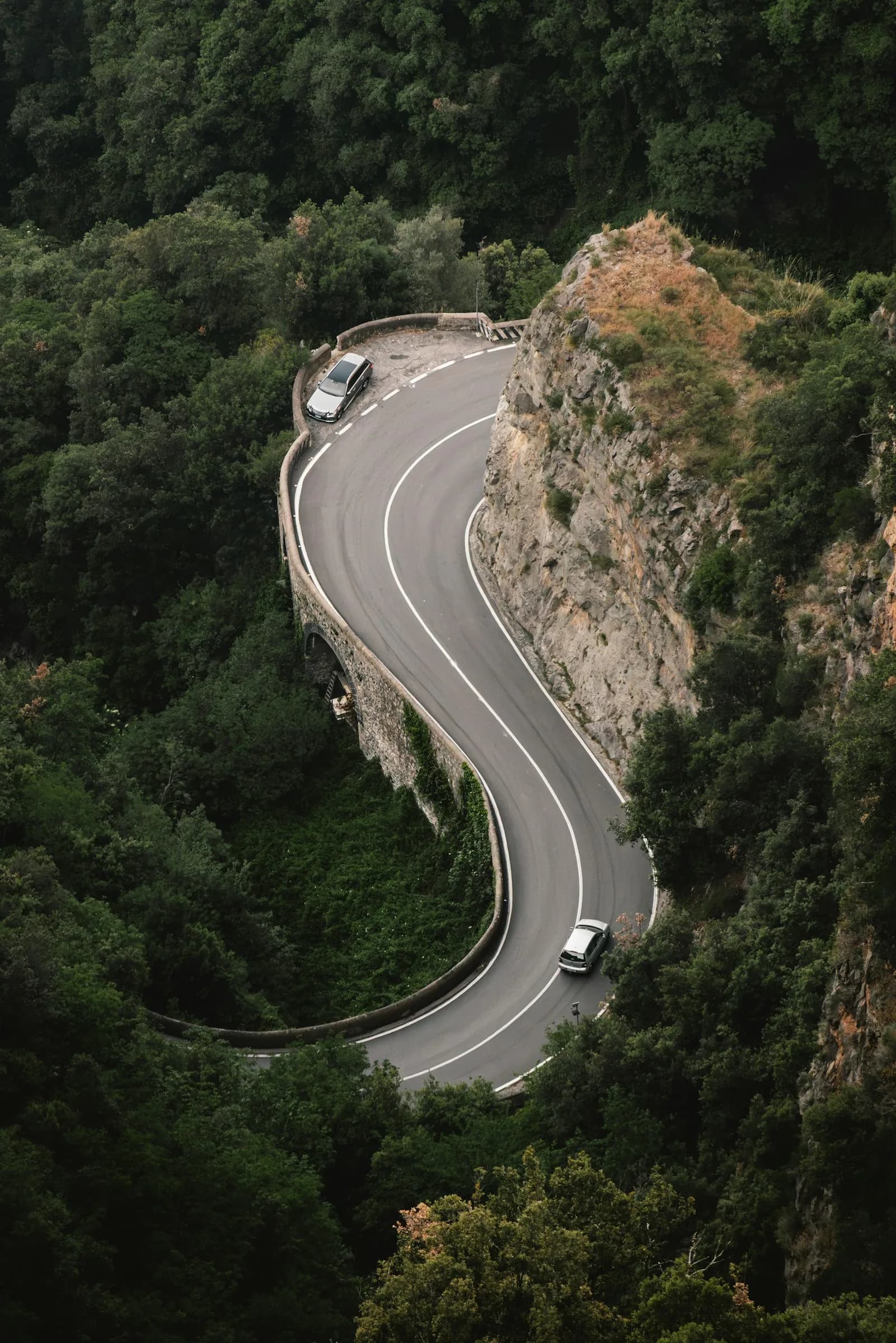
Traffic on the SS163 reaches breaking point. Two-hour jams between Positano and Amalfi are common on July and August weekends, especially around the Ferragosto holiday on August 15. Buses get stuck in the same traffic as cars. The only reliable transport is the ferry, and even ferry tickets sell out for popular morning departures. The advice is universal: do not drive. If you must move between towns, take the ferry or wake up early enough to beat the crowds on the bus.
Beaches claim their spots early. At Spiaggia Grande in Positano, the free section is packed by 8:30. Beach club sunbeds cost 30-50 euros per day in Positano, 15-25 euros in other towns. Maiori’s 930-meter beach is the one place that reliably has space even in mid-August — it is the longest beach on the coast and the main reason families choose it as a base.
Restaurant reservations become essential, especially for popular spots like Da Adolfo in Positano (book 2-3 days ahead), Acquapazza in Cetara, and anywhere in Ravello during festival evenings. Walk-in dining is still possible at local trattorias in Maiori, Minori, and Cetara — the towns tourists overlook.
The upside is genuine. The sea temperature hits 24-26 degrees — perfect for swimming, snorkeling, and boat trips. Sunset drinks on the beach or a terrace overlooking the sea are extraordinary. The Sagra del Tonno in Cetara (July), MarMeeting cliff diving in Furore (July), and Luminarie light festival in Praiano (July-August) are unique experiences. Nightlife peaks, with the Africana club at Marina di Praia and Music on the Rocks in Positano both operating at full swing.
Prices peak across the board. Accommodation is at its most expensive — a hotel room that costs 120 euros in May will be 250-350 in August. A basic lunch for two that costs 30 euros in Minori costs 60-80 in Positano. Budget 40-60% more for everything compared to shoulder season.
The tip
If you must visit in August, book the second half of the month when crowds thin slightly. Stay in Maiori or Cetara for better value and less chaos, using ferries to visit Positano and Amalfi as day trips.
Find the best beaches for every crowd levelBudget tips to save money in peak season
The Off-Season: November Through March
The off-season Amalfi Coast is a different destination entirely — and for a certain type of traveler, it is the better one. The crowds vanish. The prices plummet. The light turns dramatic. And the coast reveals a character that summer visitors never see.
Temperatures from November through March range from 10 to 16 degrees Celsius during the day, dropping to 4-7 at night. It is not tropical, but it is mild compared to most of Europe — you will not need a heavy winter coat, just layers and a waterproof jacket. Rain is more frequent, hitting about 35-38% of days in November-December, but it follows the Mediterranean pattern: intense bursts lasting an hour or two, followed by clear skies. Overcast all-day rain is rare.
What is open: the key towns of Amalfi, Maiori, and Vietri sul Mare maintain most services year-round. Restaurants thin out — maybe half close for the winter — but the ones that remain are the ones serving locals, which means better food at lower prices. Hotels that stay open drop rates by 50-60% from peak. A room that costs 300 euros in August can be 100-120 euros in January.
What is closed: most ferry services cease from November through March. SITA buses remain the primary transport, running their year-round schedules. Many hotels and restaurants in Positano close entirely — the town can feel desolate from December through February. Ravello’s Villa Cimbrone and Villa Rufolo reduce their hours but stay open on clear days.
The experience: hiking is exceptional. Cool temperatures, empty trails, and the occasional crystal-clear day with visibility stretching to Capri. The Path of the Gods is far more enjoyable without summer crowds and heat. The Valle delle Ferriere hike above Amalfi is dramatic after autumn rains, with waterfalls at full force. New olive oil season in November brings tastings at frantoi across the hills — the smell of fresh-pressed oil is intoxicating. December nativity scenes (presepi) in Minori and Amalfi are cultural treasures. During Advent the Amalfi Cathedral is lit by candles.
The honest downside: you cannot swim (the sea drops to 14-16 degrees), beach activities are out, and some days are genuinely gray and wet. A few towns feel half-alive. But if you come for the food, the walks, the atmosphere, and the architecture — and you value solitude over sunbathing — the off-season coast may be your favorite version of it.
The tip
November is the best off-season month: new olive oil tastings, chestnut festivals in the hills, mild temperatures, and enough services still running. January-February are the cheapest but also the emptiest.
Planning Around Events and Festivals
The Amalfi Coast has a rich calendar of festivals and events that can enhance your trip — or complicate it if you are unprepared. Here are the ones worth planning around.
The Ravello Festival (June through September) is the coast’s premier cultural event. Classical music, jazz and dance are performed in the gardens of Villa Rufolo, on a stage built out over the sea. Wagner concerts are the highlight — the composer himself found inspiration for Parsifal’s enchanted garden here in 1880. Tickets range from 25 to 120 euros and sell out weeks in advance for headline performances. Book early. The festival changes Ravello’s character: the town is busier than usual, hotel prices climb, and the last bus down to the coast fills with concertgoers. If you attend an evening concert, plan your return in advance — a taxi back to Maiori costs about 30 euros.
Easter processions (March or April) are the coast’s most powerful religious tradition. Amalfi, Atrani, and Minori host processions with hooded penitents, torches, and centuries-old chanting through medieval streets. These are not tourist performances — they are genuine expressions of faith that have continued unbroken for hundreds of years. Holy Week (the week before Easter) is busy but atmospheric, with accommodation prices rising about 20% above normal spring rates.
Gusta Minori (late August through September) is the coast’s best food festival. The entire town of Minori transforms into an open-air kitchen, with local families preparing traditional recipes on tables set up in the streets. Ancient dishes that you will not find in any restaurant — like ndunderi pasta, medieval sweet-and-sour preparations, and forgotten seafood recipes — are served to anyone who joins. Dates vary yearly; check the Minori town website. This alone is worth timing a trip around.
The Sagra del Tonno in Cetara (July) celebrates the fishing village’s tuna tradition. Street food stalls along the harbor serve fresh tuna in every preparation imaginable: raw, grilled, smoked, in pasta. The entire town participates, and prices are remarkably low for the quality. Combined with colatura di alici tastings, this is the coast’s most authentic food event.
The MarMeeting in Furore (July) is a world cliff diving championship where athletes leap from the 30-meter bridge spanning the Fiordo di Furore. Free to watch from the bridge or the tiny beach below. Arrive early for a good position.
Lemon festivals in Maiori and Minori (May-June) celebrate the sfusato amalfitano — the coast’s famous oversized lemon. Tastings, parades, and lemon-themed everything.
The Byzantine Regatta in Amalfi (September or October) recreates the historical boat races between Italy’s four Maritime Republics (Amalfi, Genoa, Pisa, Venice). Colorful boats, historical costumes, and a town-wide celebration.
The tip
The Ravello Festival publishes its full schedule by April each year at ravellofestival.com. Book concert tickets and Ravello accommodation at the same time — both sell out fast for the best performances.
Explore all 10 towns and their unique characterFind the best food experiences on the coast
Questions
Can I swim in the sea in October?
Yes, until mid-October. The sea temperature stays around 22-23 degrees through the first two weeks — warmer than many northern European seas in August. By late October it drops to 20 degrees, still swimmable but brisk.
Is it too hot in August on the Amalfi Coast?
Temperatures reach 30-35 degrees with high humidity. The steep streets and stairs make it feel even hotter. It is manageable if you plan around the heat: beach in the morning, siesta 12-15, explore in the evening. Stay in Ravello (3-5 degrees cooler) if you struggle with heat.
When is the cheapest time to visit the Amalfi Coast?
January and February offer the lowest prices — 50-60% below August peaks. November and March are also affordable with slightly more services open. For the best balance of low prices and good weather, try late October or early November.
When do the ferries run on the Amalfi Coast?
Most ferry services operate from April through October. Travelmar (the main coastal operator) runs 6-8 daily departures during this period. Some routes like Positano-Capri run May through September only. No regular ferry service from November through March — use SITA buses instead.
What is the weather like on the Amalfi Coast in September?
September is one of the best months. Air temperatures average 25-27 degrees, the sea is at its warmest (25-26 degrees), and rain is infrequent (about 15% of days). The first week is still relatively busy; from mid-September onward, crowds drop sharply and the coast feels like a different place.