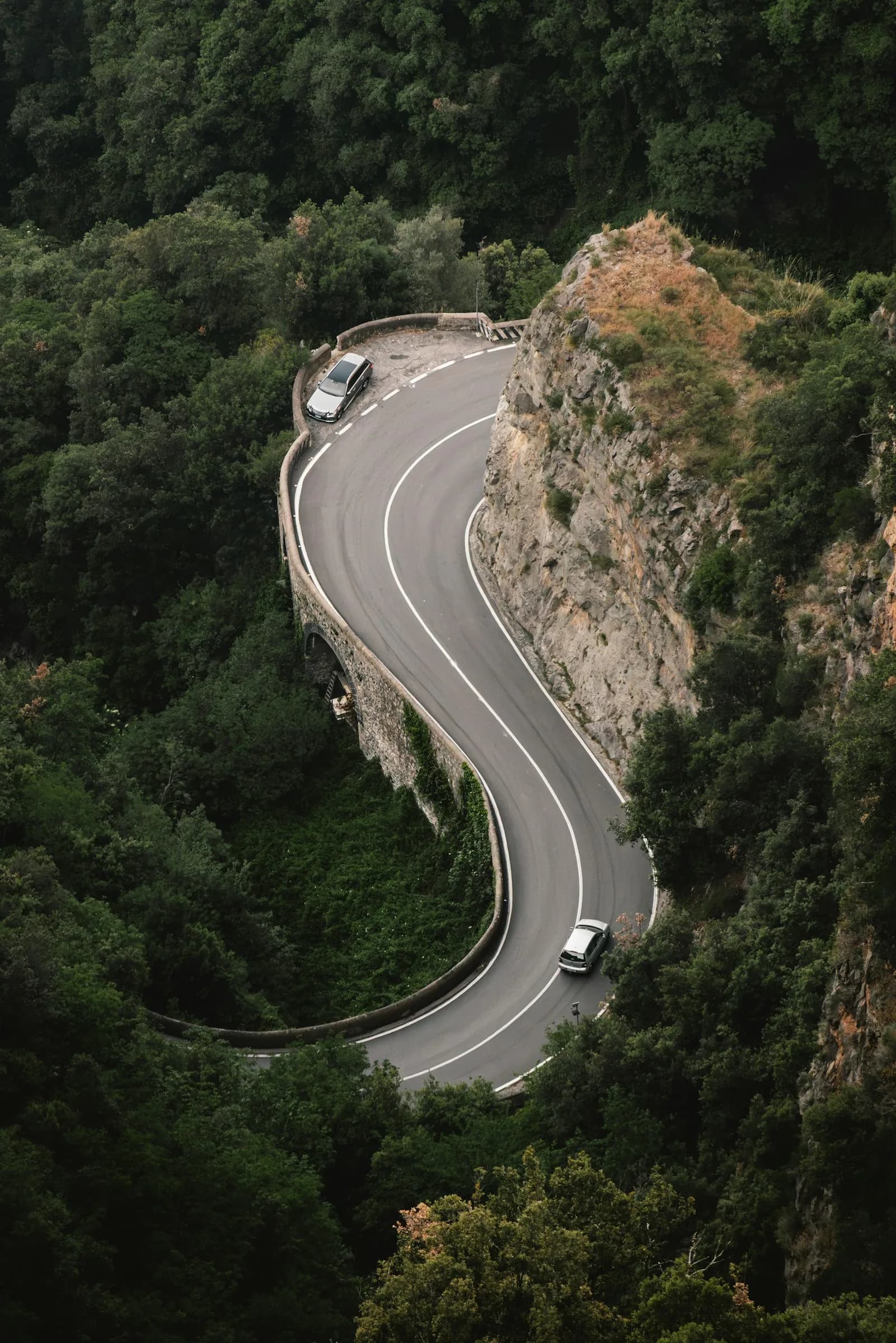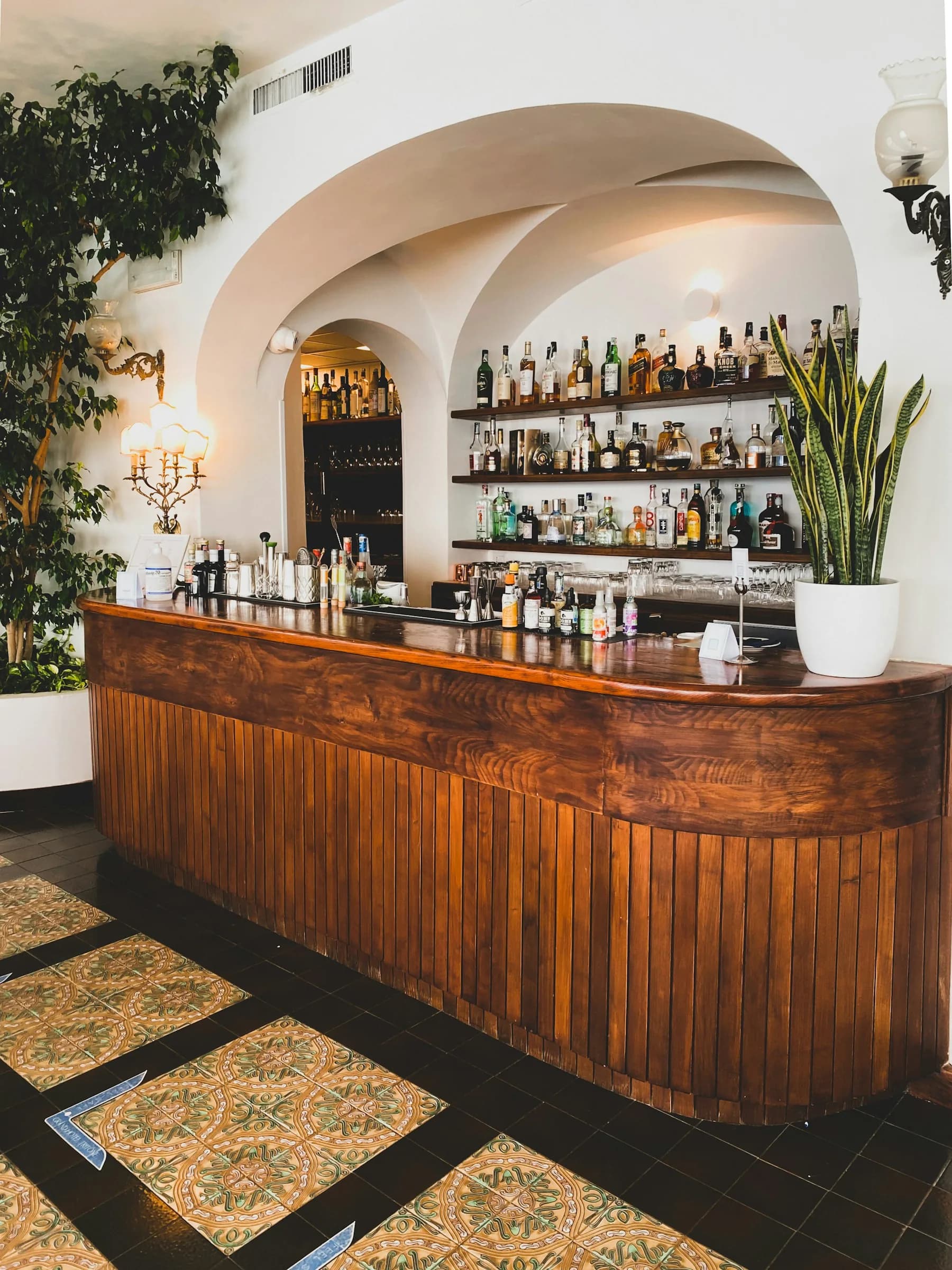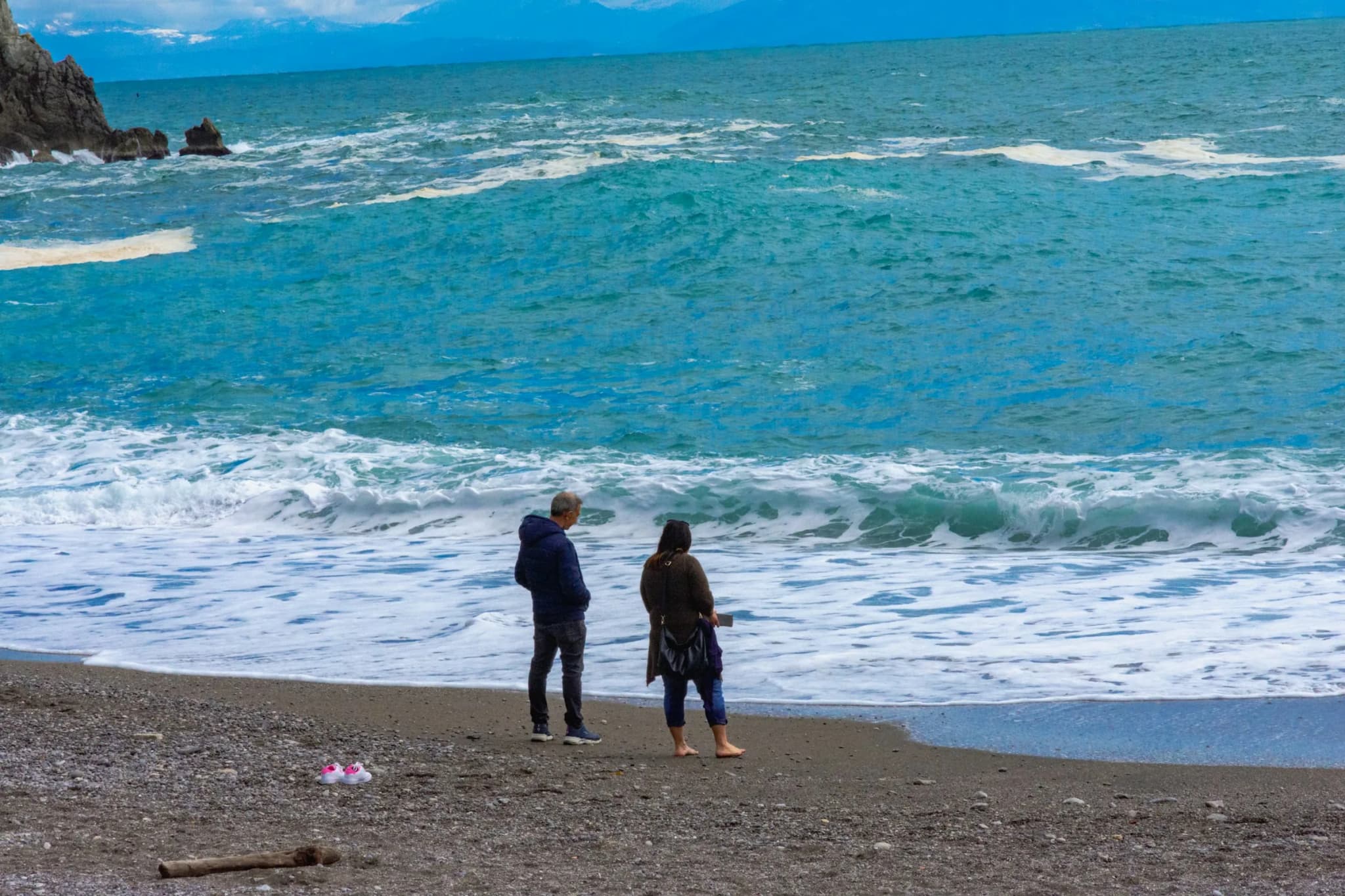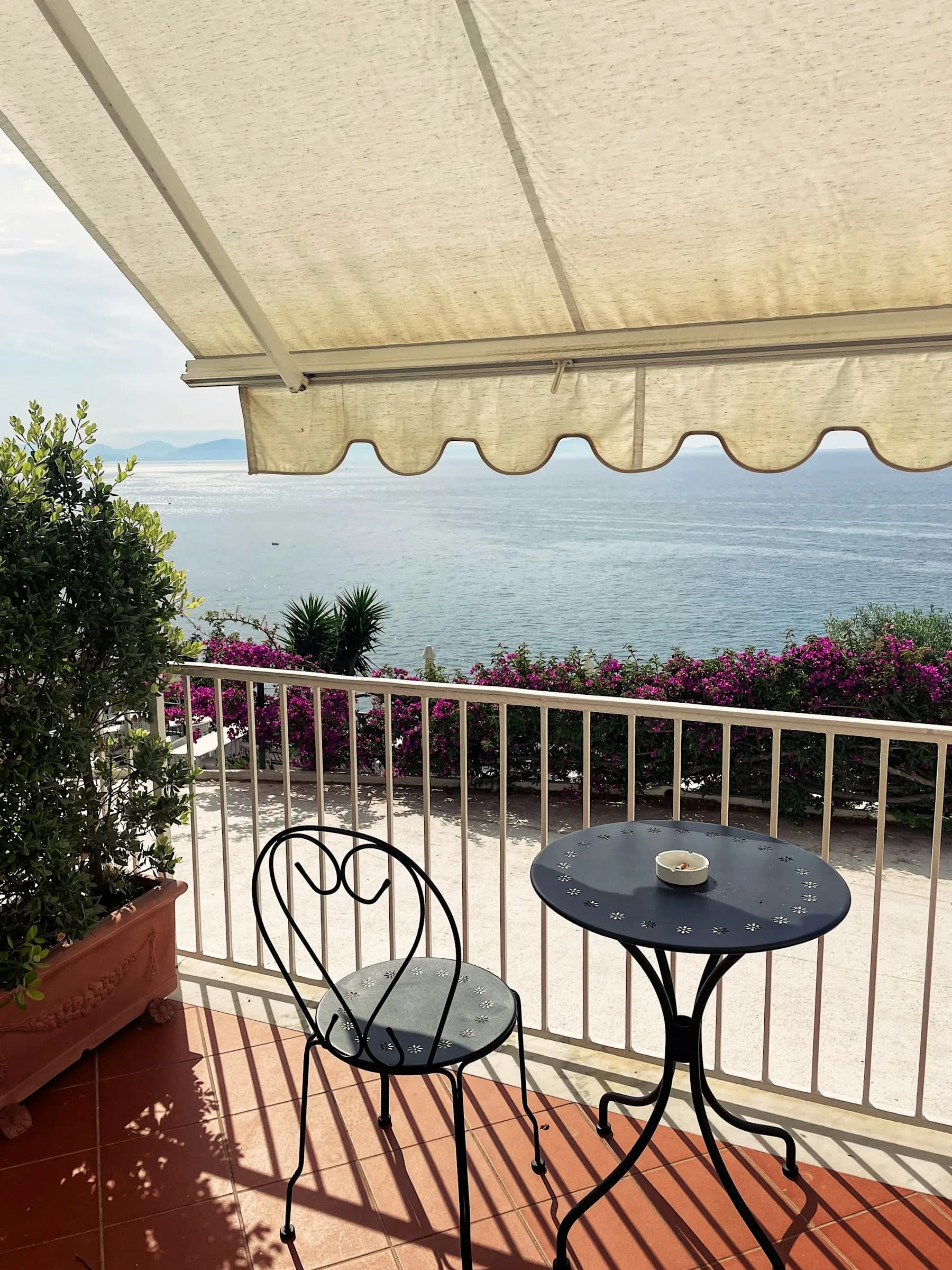
Choosing where to stay on the Amalfi Coast is the single decision that shapes your entire trip. Each town has a distinct personality, price point, and set of trade-offs. Positano is glamorous but vertical, expensive, and crowded. Amalfi is central and cultured but busy. Ravello is serene and elevated but disconnected from the sea. Maiori is practical, affordable, and family-friendly but not Instagrammable. There is no objectively best town — only the best town for you. This guide compares every option honestly so you can decide based on what actually matters: your budget, your mobility, your travel companions, and the kind of experience you want.
Town-by-Town Comparison
Positano is the postcard. A vertical cascade of pastel houses tumbling 300 meters down to a dark-sand beach. It is the most famous and most photographed town on the coast. The vibe is glamorous and international — fashion boutiques, cocktail bars, celebrity sightings. The price tag matches: a mid-range hotel runs 250-400 euros per night in summer, restaurants charge 2-3 times more than towns further east. The reality check: Positano is made entirely of stairs. There is no flat ground. If you have mobility issues, a stroller, or heavy luggage, this town will fight you every step. It is best for young couples who prioritize aesthetics over convenience.
Amalfi is the cultural and transport hub. Once a powerful Maritime Republic rivaling Venice, it has the coast’s most important cathedral, a historic paper-making tradition, and the best ferry connections to other towns. The town is flatter than Positano, with a proper piazza and waterfront. Hotels run 150-300 euros in summer. Restaurants are expensive near the cathedral but more reasonable on side streets. Amalfi works as a base because everything connects through it — buses to Ravello, ferries to Positano and Salerno, the Path of the Gods via Agerola. The downside: it gets very crowded with day-trippers from 10:00 to 17:00, even though they clear out by evening.
Ravello sits 350 meters above the sea — a world apart from the coastal chaos. Villa Rufolo and Villa Cimbrone have two of the most beautiful gardens and views in Italy. The Ravello Festival runs from June through September. The town is quiet, elegant, and romantic. Hotels range from 120 to 600 euros. The trade-off: Ravello has no beach (the nearest is Castiglione, a bus ride away), no ferry port, and limited transport. Getting to other towns requires a bus down to Amalfi (30 minutes) first. It is perfect for a romantic escape but impractical as a base for daily coast exploration.
Maiori is the practical choice. It has the longest beach on the coast (930 meters), the most generous parking, the best bus and ferry connections, and prices that are 2-3 times lower than Positano. A good hotel costs 80-150 euros in summer. Restaurants serve the same quality of seafood for half the price of the famous towns. The beach is family-friendly — flat, sandy, and never completely full even in August. The Tuesday morning market is authentic and local. What Maiori lacks is the wow factor: the town was rebuilt after a 1954 flood and has a more modern look. It is not glamorous, but it is comfortable, honest, and the town where locals actually live year-round.
Minori is Maiori’s smaller, quieter sibling — a 5-minute walk east. It is the self-proclaimed City of Taste, home to Sal De Riso (one of Italy’s most famous pastry chefs) and Gusta Minori (the coast’s best food festival). A Roman villa with intact frescoes sits in the center. The beach is 250 meters of fine sand, family-friendly and south-facing. Hotels cost 70-130 euros. The Sentiero dei Limoni (Lemon Path) connects it to Maiori through fragrant lemon groves. Minori is ideal for food-focused travelers who want authenticity and value.
Praiano is the quiet gem between Positano and Amalfi. It has the best sunsets on the coast (the view stretches to Capri), a small fjord beach (Marina di Praia), and none of the congestion of its famous neighbors. Accommodation costs 100-200 euros. The downside: limited restaurants and shops, and you need a bus or ferry to reach other towns easily. Perfect for travelers who want peace and do not mind limited nightlife.
Atrani is Italy’s smallest municipality, a 5-minute walk through the tunnel from Amalfi, and a quiet place to stay. Medieval alleyways, a tiny beach, an authentic piazza with honest restaurants. Hotels run 80-150 euros. The catch: it is tiny, with minimal services and accommodation options. If you find a place here, book it. Atrani offers the Amalfi experience at a fraction of the price.
Cetara is a working fishing village — the last authentic one on the coast. Famous for colatura di alici (fermented anchovy sauce) and some of the best seafood restaurants at the lowest prices. Hotels cost 60-120 euros. The beach gets sun all day. The atmosphere is real and unvarnished. Cetara is for travelers who value food and authenticity over scenery and convenience — it is further from the main attractions but closer to the soul of the coast.
Vietri sul Mare is the eastern gateway, famous for its ceramics. Just 5 minutes from Salerno and its train station, it is the most accessible town on the coast. The beach (La Baia) is wide and family-friendly. Hotels run 60-120 euros. It works as a base if you plan to combine coast visits with trips to Pompeii, Paestum, or Naples via the train. The ceramics tradition alone is worth the visit.
Best Towns for Couples
Positano remains the undisputed choice for romance-seeking couples, despite its premium prices. The visual drama of the village from the sea, sunset cocktails at Franco’s Bar (above the town with a view over Li Galli Islands), dinner on the cliffs at Lo Guarracino — these are experiences you remember decades later. Budget 250-400 euros per night for a hotel with a view. Without a view, Positano loses much of its point.
Ravello is the elevated alternative. Where Positano is glamorous and energetic, Ravello is serene and contemplative. The Terrace of Infinity at Villa Cimbrone — a belvedere lined with marble busts overlooking the entire coast — is arguably the most romantic viewpoint in Italy. Evening concerts at the Ravello Festival, dinner under a lemon pergola at Da Mimi, a stroll through quiet gardens: Ravello is for couples who prefer elegance to excitement. The Palazzo Avino hotel (with its two-Michelin-star restaurant Rossellinis) is the coast’s most luxurious stay. A room with a view costs 300-600 euros per night.
Praiano is the insider pick for couples. The town sees a fraction of the tourists, the sunsets over Capri are the best on the coast, and the atmosphere is genuinely peaceful. Have dinner at Il Pirata with tables on the cliff’s edge, then watch the light fade over the sea from the village terrace. La Gavitella beach catches the last sun every day — arrive at 16:00 to claim a spot for golden hour. Hotels with sea views cost 100-200 euros, roughly half of Positano for a comparable experience.
Atrani delivers romance on a budget. The piazza at dusk, with the sound of the sea and the glow of medieval stone, feels more authentic than anywhere else on the coast. Dinner at Ristorante Savo or A' Paranza, then a walk through the Escher-like alleys. Rooms cost 80-150 euros, and you are 5 minutes from Amalfi’s facilities.
Best Towns for Families
Maiori is the clear winner for families with children. The 930-meter beach is the longest on the coast, with fine volcanic sand that slopes gently into calm, shallow water. A playground sits on the lungomare. The town is flat — no endless staircases to navigate with a stroller or exhausted kids. Beach clubs offer full-day sunbed packages at 15-20 euros, and generous free sections mean you do not have to pay at all. Restaurants along the seafront are kid-tolerant and reasonably priced. Mammato serves the best pizza in town, and kids can eat well for 8-10 euros. Hotels for a family of four cost 100-180 euros per night. The ferry connects to Amalfi, Positano, and Salerno for day trips, and parking at the lungomare lot (2-4 euros per hour) actually has space.
Minori is the second choice for families, and smaller. The beach is 250 meters of fine sand, south-facing, with calm water and a gentle slope. The town is flat and compact — you can walk from one end to the other in 10 minutes. Sal De Riso’s pastry shop is a destination for the whole family. The Roman Villa Marittima with its mosaics is free to visit and fascinating for kids old enough to appreciate history. Hotels cost 70-130 euros. The only downside compared to Maiori is a slightly smaller beach and fewer restaurant options.
Vietri sul Mare works for families combining beach days with train travel. La Baia beach is 400 meters of sand with full facilities and a playground. The town is the most accessible on the coast — just 5 minutes from Salerno’s train station. The ceramic workshops offer hands-on painting sessions for children (Raito workshops). Hotels run 60-120 euros. If your itinerary includes Pompeii, Paestum, or Naples, basing in Vietri means easy train connections without navigating the coast road.
Towns to avoid with small children: Positano (too many stairs, too hot, too crowded, too expensive), Praiano (steep access to beaches, limited services), Furore (no services at all). Ravello works for older children who can handle walking and enjoy gardens and music, but the lack of a nearby beach is limiting for younger kids.
Full guide to family-friendly beachesComplete guide to the coast with kids
Best Towns for Budget Travelers
The eastern half of the coast is where budget travelers find their sweet spot. Cetara, Vietri sul Mare, and Maiori offer genuine Amalfi Coast experiences at prices that would be considered cheap even by mainland Italian standards.
Cetara is the ultimate budget food destination. A plate of spaghetti con colatura di alici at Al Convento costs 12-15 euros — this is the same dish that would run 30-35 euros in Positano, and arguably better in Cetara because the anchovy sauce is made meters from the kitchen. A full seafood dinner with wine for two costs 40-50 euros. Hotels and B&Bs run 60-120 euros per night. The beach is free, uncrowded, and sunny all day. The only cost is transport to other towns (bus 2 euros, or the 10-euro COSTIERASITA day pass).
Vietri sul Mare combines the lowest accommodation prices on the coast (60-100 euros) with the easiest transport connections. The train from Salerno is 5 minutes and costs under 2 euros. From Salerno you can reach Naples, Pompeii, and Paestum by train for 5-12 euros. Ceramic shopping here is 30-50% cheaper than in the famous towns. La Baia beach is free and spacious.
Maiori is the best-value base for exploring the entire coast. Central location, the COSTIERASITA 10-euro day pass covers unlimited bus rides, and ferries connect to Amalfi and Positano. Hotels cost 80-150 euros — a fraction of Positano’s rates. The lungomare is lined with affordable restaurants where a full lunch runs 12-18 euros per person. Beach clubs charge 15-20 euros for a full day with sunbed and umbrella. The Tuesday market sells local produce, cheese, and limoncello at local prices.
Budget trick most tourists miss: stay in Maiori, Cetara, or Vietri, eat there, and use ferries and buses for day trips to Positano, Amalfi, and Ravello. You get the same coast, the same sea, and often better food — at half the price.
Best Towns for Foodies
Cetara is the food capital of the Amalfi Coast. This working fishing village produces colatura di alici — a fermented anchovy essence that is the direct descendant of Roman garum and one of the most prized condiments in Italian gastronomy. The real stuff is made by a handful of families (Nettuno and Delfino are the originals) and aged for 3 or more years in chestnut barrels. Acquapazza holds a Michelin star; Al Convento serves the definitive spaghetti con colatura in a former convent; San Pietro grills the daily catch right on the harbor. The Sagra del Tonno in July is the coast’s best street food event.
Minori has been called the City of Taste for good reason. Sal De Riso — the pastry chef whose ricotta e pera cake is famous across Italy — works here. His shop on the lungomare draws pastry pilgrimages year-round (go before 10:00, the best items sell out). Il Giardiniello serves exceptional fresh fish under a lemon pergola. La Botte, hidden in a side street, makes the best ndunderi pasta on the coast — an ancient recipe with a Roman pedigree. Gusta Minori food festival in September is the single best food event on the Amalfi Coast: traditional recipes served in the streets by local families.
Amalfi has the coast’s most historic dining institutions. Trattoria Da Gemma has been open since 1872, and is known for its zuppa di pesce. Pasticceria Pansa, on the main square since 1830, makes definitive delizie al limone and sfogliatella. La Caravella offers a dedicated tasting menu built around the sfusato amalfitano lemon. The Paper Museum and lemon grove tours add cultural depth to a food visit.
Furore contributes the wine dimension. Marisa Cuomo’s Fior d’Uva — a white fermented in wood from vineyards on impossibly steep terraces — is one of southern Italy’s finest wines. Hostaria di Bacco pairs it with traditional peasant cuisine on a sea-view terrace. For wine, also visit Ettore Sammarco in Ravello (wines and liqueurs since 1962) and Tenuta San Francesco in Tramonti (ancient vineyards, tastings, lunch).
How to Choose Your Base: A Decision Framework
Start with three questions: How much can you spend per night on accommodation? Who are you traveling with? And how much do you want to move around?
If your budget is under 100 euros per night, your best options are Cetara, Vietri sul Mare, or a guesthouse in Maiori. All three offer genuine Amalfi Coast experiences at mainland Italian prices. You will eat well, swim in the same sea, and use ferries and buses to visit the famous towns as day trips.
If your budget is 100-200 euros, Maiori and Minori give you the most comfortable experience. Central location, real beaches, honest restaurants, and easy transport. Praiano and Atrani are also in this range and offer more charm at the cost of fewer services.
If your budget is 200-400 euros, Amalfi and Positano open up. In Amalfi, this buys a room with a view at a well-located hotel. In Positano, this is the entry level — expect a small room without a balcony. At this range, Ravello offers exceptional value: boutique hotels with mountain and sea views.
If your budget is 400 euros and above, Positano’s best hotels (Le Sirenuse, Il San Pietro) and Ravello’s Palazzo Avino are in play. This is the luxury tier, and at this level both towns deliver extraordinary experiences.
Traveling with kids? Maiori, full stop. It is the only town on the coast designed for families: flat terrain, long beach, affordable food, playground. Minori is the alternative if Maiori is full.
Traveling as a couple? Positano for glamour, Ravello for serenity, Praiano for sunsets, Atrani for authenticity. All four offer romance in different flavors.
Planning to explore the entire coast? Base in Amalfi or Maiori. Both have the best transport connections. Amalfi is the ferry hub; Maiori has easier parking and lower prices.
Visiting for the food? Cetara or Minori. The food in these towns is not just good — it is the reason the towns exist.
The single most common mistake: booking Positano because it looks beautiful in photos, then discovering that the stairs, the crowds, and the prices make the experience stressful rather than relaxing. Read the honest descriptions above. Choose the town that matches your actual needs, not the town that looks best on Instagram.
Detailed budget breakdown by town and seasonComplete transport guide between towns
Questions
Should I split my stay between multiple towns?
Only if you are staying 5 or more nights. Moving hotels is time-consuming on the coast (no quick taxis, limited luggage-friendly transport). For 3-4 nights, pick one base and day-trip. For 5-7 nights, consider splitting: 3 nights in Maiori for the eastern coast, 2 in Positano or Praiano for the west.
How many nights should I spend on the Amalfi Coast?
A minimum of 3 nights to see the highlights without rushing. 5 nights is the sweet spot that allows beach time, hiking, food exploration, and a boat trip. 7 nights lets you truly decompress and explore the eastern towns most tourists miss.
Is an Airbnb or a hotel better on the Amalfi Coast?
Airbnbs offer better value for families and groups (kitchens save on meals, more space per euro). Hotels are better for couples (breakfast included, concierge advice, often a pool or terrace). In Positano and Ravello, Airbnbs can save 30-40% over equivalent hotels. In Maiori and Cetara, hotel prices are already low.
Is Positano worth the high prices?
For a 2-3 night romantic splurge, yes. The visual impact, the sunset from the beach, and the energy are unique. For a week-long family holiday, no — you will spend 3 times more than in Maiori for a less comfortable experience. Visit Positano as a day trip instead.
What is the best town for a first visit to the Amalfi Coast?
Amalfi or Maiori. Amalfi is the cultural heart with the best transport connections to everywhere else. Maiori is the practical heart with the best beach, best prices, and most generous parking. Either one puts you in the center of the coast with easy access to all the towns.