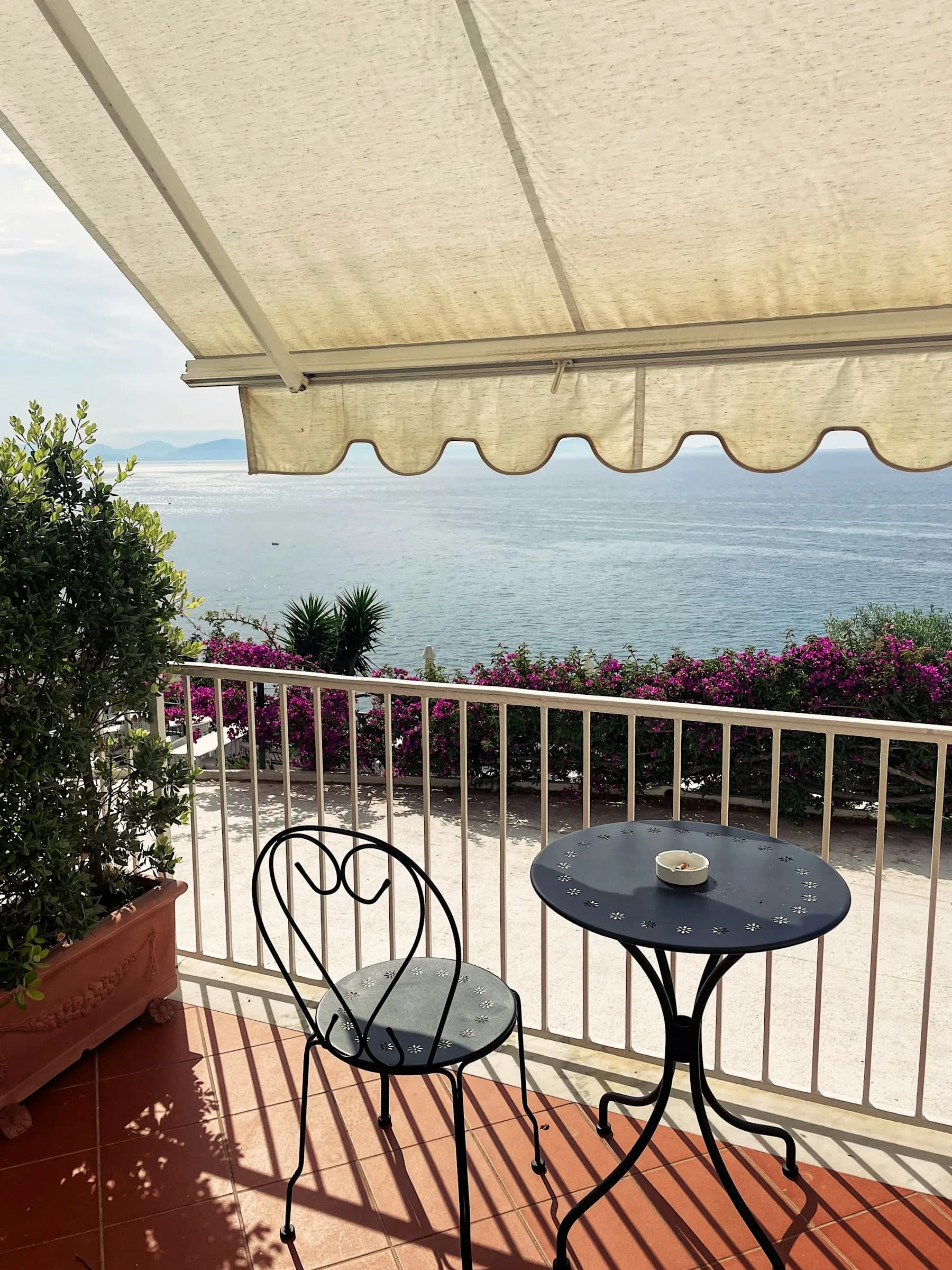
Let’s be honest: the Amalfi Coast was not designed for strollers. It is a vertical world of staircases, narrow paths, and cliff-edge roads. But that does not mean families should skip it. Thousands of Italian families holiday here every summer, and with the right base town, realistic expectations, and a few insider tips, the coast can be an extraordinary family destination. The trick is to choose flat towns with sandy beaches (Maiori and Minori), skip the villages that are hard with a stroller (Positano), and travel the Italian way: long lunches, gelato breaks, children up late. This guide is written from a practical perspective — not a glossy travel brochure.
Is the Amalfi Coast Family-Friendly?
The short answer: yes, but with caveats. The Amalfi Coast is not Disneyland — it is a real place built on real cliffs. Some towns are wonderful with children, others are a nightmare.
The reality of stairs: Positano has over 1,600 steps from the main road down to the beach. Amalfi has steep streets and stairways in every direction. Ravello sits 350 meters above the sea with no beach access. These are not ideal with a toddler in a stroller or a baby in your arms.
But then there is Maiori. The longest beach on the coast — 930 meters of volcanic sand, completely flat, with shallow water perfect for paddling. Wide seafront promenades where strollers actually work. Affordable restaurants where kids running between tables is perfectly normal. This is where Italian families with young children come, and for good reason.
Minori is the second-best option: flat, family-oriented, with a 250-meter sandy beach that faces south and gets sun all day. The Roman Villa is free to enter and fascinating for older kids. Sal De Riso’s pastry shop is a guaranteed bribe for good behavior.
Children over 8 can handle the more adventurous coast: the Path of the Gods hike (with proper shoes and water), ferry rides between towns, the boat shuttle to hidden beaches. The coast gets easier once children can climb stairs without being carried.
Italian culture is deeply child-friendly. Restaurants welcome children at any hour (no separate "kids' menu" needed — they will make plain pasta on request). Other diners will smile at your children, not glare. The evening passeggiata (stroll) is a family ritual — you will see Italian toddlers out at 22:00 in summer, eating gelato on the seafront. Nobody bats an eye.
The biggest challenge is not the coast itself — it is managing expectations. If you try to see Positano, Ravello, and Amalfi in one day with a 3-year-old, everyone will be miserable. Instead, pick one base and go at a child’s pace.
The tip
The golden rule for families: one town per day maximum. Morning beach, long lunch, gelato, nap at the hotel, evening passeggiata. That is the Italian way.
Best Towns for Families
Not all Amalfi Coast towns are created equal for families. Here is the honest ranking.
Maiori is the clear number one. It has the longest beach on the entire coast at 930 meters of volcanic sand with gentle waves, perfect for children. The town is flat by Amalfi Coast standards — you can push a stroller along the seafront promenade without drama. There are playgrounds, gelaterias, and affordable family trattorias within easy walking distance. It is also the best-connected town on the coast with ferry and bus links to everywhere. Accommodation is 2-3 times cheaper than Positano for equivalent quality. The beach has lifeguards in summer, shallow water that warms early in the season, and both paid beach clubs (with umbrellas, chairs, changing rooms) and free public sections.
Minori is the runner-up and just a 20-minute walk from Maiori along the Sentiero dei Limoni lemon path. Its 250-meter sandy beach faces due south, catching sun from morning until evening. The free Roman Villa is genuinely interesting for children over 6 — intact mosaics and frescoes from 2,000 years ago. And there is Sal De Riso, the pastry chef whose shop people travel to: the ricotta and pear cake is a reason to stay in Minori.
Amalfi is workable with children over 5 but requires more effort. It is flatter than Positano (the main square and seafront are accessible), but there are still hills and steps to navigate. The advantages: it is the transport hub with the best ferry and bus connections, the Cathedral is dramatic and impressive for older kids, and there are more restaurant and shopping options than smaller towns.
Avoid Positano with very young children. The romance and beauty are real, but with a stroller or a toddler the constant stairs become exhausting within hours. The beaches are crowded and expensive, parking is nearly impossible, and you will spend more time managing logistics than enjoying the views.
Ravello is wonderful for a day trip with kids old enough to appreciate gardens and views, but impractical as a base — it sits 350 meters above the coast with no beach and limited restaurant options.
Cetara and Vietri are worth considering for budget-conscious families who want authentic atmosphere. Both are flat enough, have good beaches, and their restaurants are the best value on the coast.
The tip
Book accommodation with a kitchen. Being able to prepare breakfast and simple meals saves money and stress with picky eaters.
Family-friendly beachesMaiori destination guideMinori destination guide
Kid-Friendly Beaches
The coast’s best family beaches all share common traits: sand (not pebbles), shallow water, lifeguards, and easy access without hundreds of stairs.
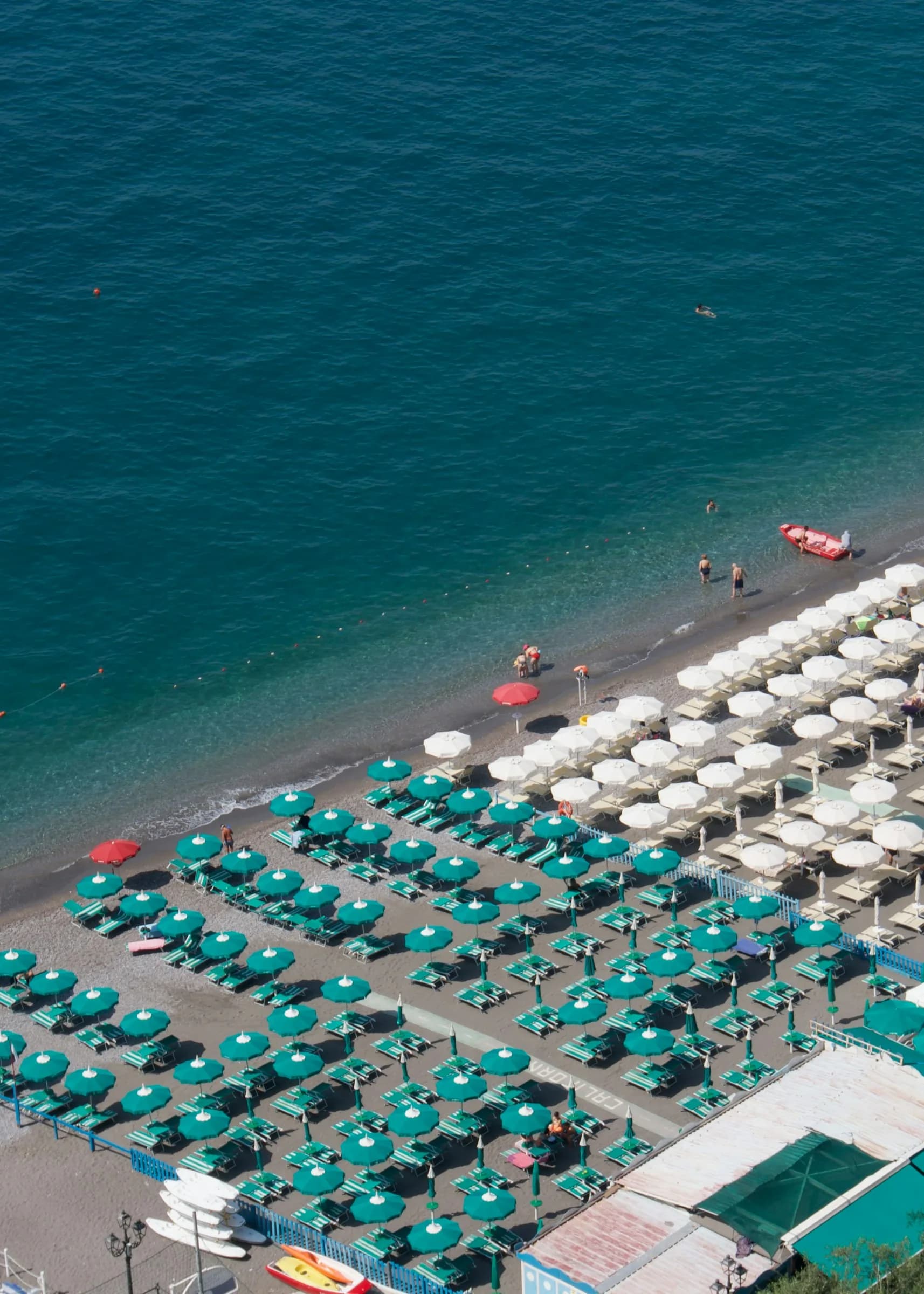
Maiori Beach is the undisputed champion: 930 meters long, volcanic sand, shallow gradual entry, lifeguards from June through September, both free and paid sections, nearby restaurants and gelaterias, and flat access from the promenade. You can rent umbrellas and chairs for about 15-20 euros per day, or spread your towel on the free section to the east. The water warms up by late May and stays swimmable until mid-October.
Minori Beach is the second best for families: 250 meters of fine sand facing due south. It gets sun from early morning until evening with no cliffs blocking the light — unusual for this coast. The gentle slope means kids can wade safely. Beach clubs here cost less than Maiori.
La Baia in Vietri sul Mare is often overlooked: 400 meters of sand, easy road access, and wide enough that it never feels as crowded as the more famous beaches. It is the most accessible beach on the coast thanks to Vietri’s proximity to the Salerno highway exit.
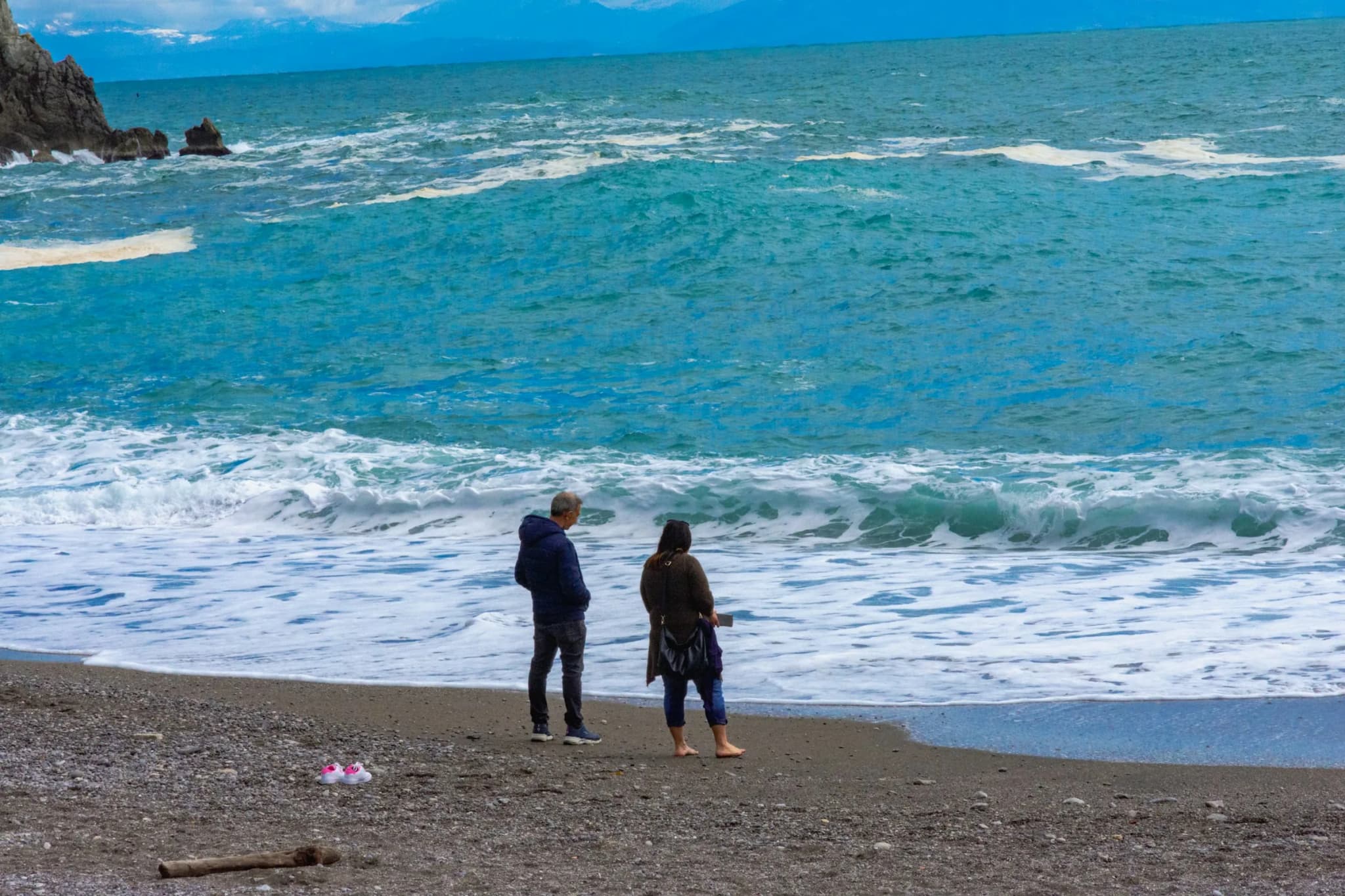
Atrani Beach is small but atmospheric: a pocket of sand right in the village, split by the Dragone river mouth. The dramatic rock wall backdrop makes it unique. Good for older kids who can handle pebble sections.
For something special, take the Cooperativa Sant’Andrea boat shuttle from Amalfi to one of the smaller cove beaches. Kids love the boat ride itself, and beaches like Santa Croce are pristine and uncrowded. Just bring everything you need — there are no facilities.
Avoid Arienzo in Positano (300 steep steps), Fiordo di Furore (200 steps, loses sun early), and any boat-only beach without shade for extended family days.
Activities for Kids
Beyond the beach, the coast offers plenty to keep children engaged.
Boat tours are universally loved by children. A shared group tour along the coast costs around 65 euros per person and includes swimming stops at Li Galli islands (Homer’s mythical sirens), views of hidden coves, and usually a stop at the Grotta dello Smeraldo with its emerald-green light. Book a morning departure for calmer seas. Children under 3 are often free.
The Path of the Gods is suitable for children aged 8 and above who are comfortable walking for 3-4 hours. Walk from Agerola to Nocelle (east to west) for gentle downhill and the views in front of you. Bring plenty of water, snacks, sunscreen, and a hat. The path is wide and safe but has exposed cliff edges in places — hold younger children’s hands. From Nocelle you can take the bus down to Positano rather than the 1,500 steps.
Cooking classes are available in several towns. Mamma Agata in Ravello offers family-friendly sessions where kids learn to make pasta and pizza in a home kitchen with panoramic views. Several agriturismos in the hills above Maiori offer similar experiences with lemon grove visits included.
The Paper Museum in Amalfi shows live demonstrations of 500-year-old papermaking techniques. Kids can make their own sheet of bambagina paper — a unique souvenir. The Roman Villa in Minori has intact 2,000-year-old mosaics and frescoes that make history tangible.
The Passport gamification system on this platform awards points for visiting towns, completing experiences, and leaving reviews. Kids enjoy the badge-collecting aspect and level progression from Tourist to Explorer to Insider.
Gelato crawls work as both activity and bribe: challenge the family to find the best gelato on the coast. Start at Zagara in Positano, try Pasticceria Pansa in Amalfi (since 1830), and end at Sal De Riso in Minori for the definitive delizia al limone.
Practical Tips for Parents
Strollers: only bring a lightweight umbrella stroller, and expect to fold it frequently. Strollers work in Maiori (flat promenade), Minori (flat), and parts of Amalfi (main square and seafront). They are useless in Positano (all stairs), Ravello (cobblestones and steps), and Atrani (narrow alleys). For babies, a carrier or sling is far more practical than a stroller on the coast.
Car seats: if you are hiring a private transfer or taxi, you must bring your own car seat. Italian taxis are not required to provide them. Some private transfer companies offer car seats if requested in advance — always confirm. For SITA buses and ferries, no car seat is needed.
Meal timing: Italian restaurant kitchens close strictly between lunch and dinner. Lunch is 12:30 to 14:30, dinner is 19:30 to 22:00. If your child is hungry at 15:00, your options are gelato, pizza al taglio (by the slice), or a supermarket. Plan around these hours.
Nap strategy: the midday heat (12:00-16:00) is brutal in summer. This is actually the perfect time for a hotel nap. Do the beach in the morning, lunch at 12:30, back to the hotel by 14:00, nap until 16:00, then the afternoon and evening are yours. This is exactly what Italian families do.
Sun protection: children burn much faster than adults in the Mediterranean sun. SPF 50+ is non-negotiable. Reapply every 90 minutes, especially after swimming. A UV-protective rash guard top eliminates the need to constantly reapply on torsos.
Pharmacies: every town has a farmacia with basic children’s medications. Italians use different brands but the same active ingredients. Tachipirina is paracetamol (Calpol equivalent). Nurofen is the same as the UK version. If your child needs specific medication, bring it from home.
Emergency: 112 is the European emergency number and works everywhere on the coast. The nearest hospitals are in Salerno (30-45 minutes) and Castiglione di Ravello (small clinic for minor issues).
The tip
Download offline maps before arriving. WiFi in restaurants and hotels can be unreliable, and mobile data does not always work in the valleys between towns.
Questions
What age is best for visiting the Amalfi Coast with kids?
Ages 8 and above get the most out of the coast — they can hike, handle stairs, and appreciate the views. Under 5, stick to Maiori or Minori where everything is flat and beach-focused. Ages 5-7 are in between: beach days are great, but skip ambitious multi-town itineraries.
Can I bring a stroller to the Amalfi Coast?
Bring a lightweight umbrella stroller only. It works in Maiori, Minori, and the Amalfi seafront. It is useless in Positano (stairs everywhere), Ravello (steep cobblestones), and on buses/ferries where space is limited. A baby carrier is more practical.
Are restaurants on the Amalfi Coast kid-friendly?
Absolutely. Italian culture is deeply child-friendly. Children are welcome everywhere at any hour. There are rarely separate kids' menus, but any restaurant will prepare plain pasta, pizza margherita, or grilled fish on request. Kids eating gelato at 22:00 is perfectly normal here.
Is Positano OK with kids?
For day visits with older children (8+), yes — take the ferry there and walk down to the beach. As a base with young children, no. The town is vertical with over 1,600 steps, the beaches are crowded and expensive, and parking is nearly impossible. Base in Maiori and ferry to Positano for a day trip instead.
What is the best beach for kids on the Amalfi Coast?
Maiori Beach: 930 meters of sand, shallow water, lifeguards in summer, flat access, nearby restaurants. Minori Beach is the second choice: 250 meters of fine sand, all-day sun, gentler atmosphere. Both are affordable and family-oriented.